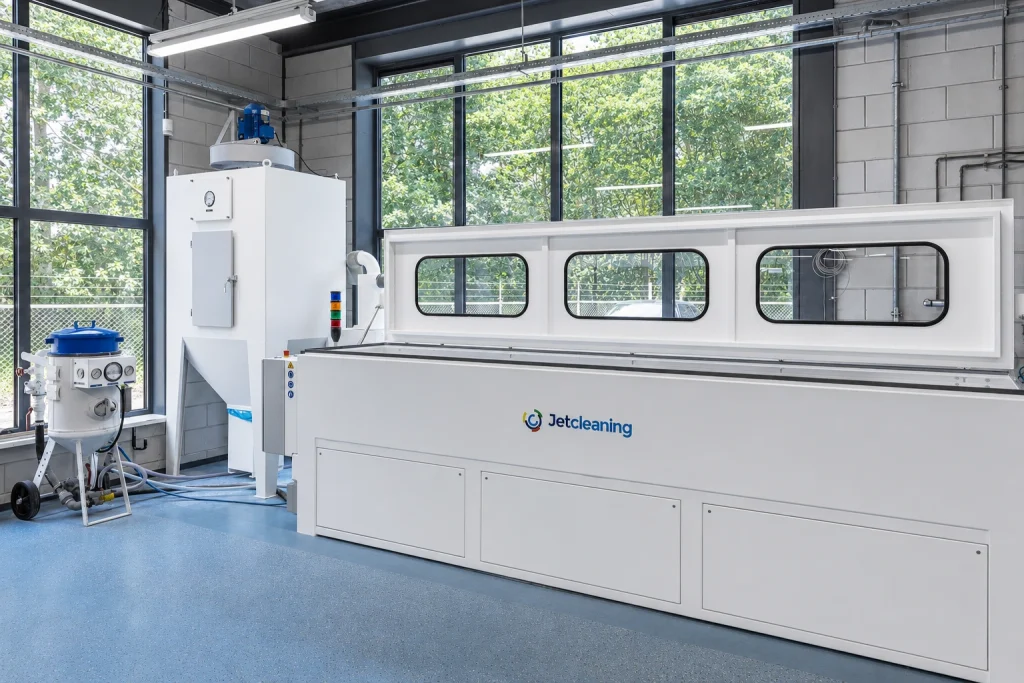
BioJet Cabinet: Offline deep cleaning of anilox rolls and sleeves
Thorough offline deep cleaning of anilox rolls and sleeves using a controlled blasting process. Cleans down to the cell level without damaging ceramic or chrome-plated surfaces.
100% Water-Soluble
Cleaning agent
Offline
Cleaning Mode
~ 35 minutes
Cleaning time
Controlled cleaning. Lower operating costs.
Without a deep cleaning, your anilox will eventually work against you.
Contaminants gradually build up in the cells—initially invisible, but with immediate consequences: ink consumption increases. Print stability decreases. The functional lifespan of the anilox is shortened. By the time problems become visible on the press, you’ve already lost ground.
The BioJet Cabinet was developed for one purpose:
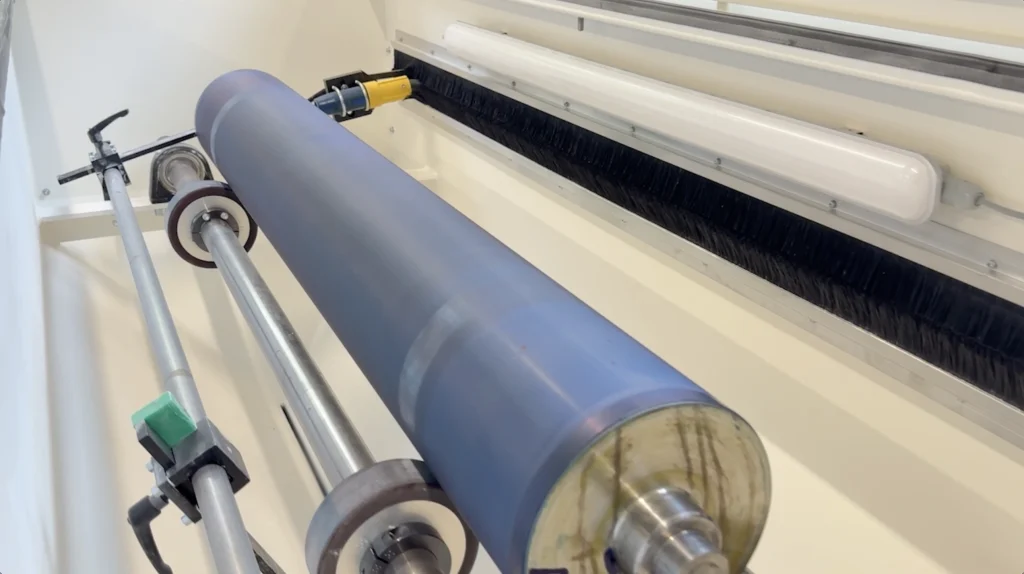
controlled, offline deep cleaning of contaminated anilox rolls.
The BioJet Cabinet delivers consistent and predictable results by restoring the highest possible level of cleanliness, without the complexity of liquid chemical processes.
How the BioJet Cabinet Works
Three steps to a clean anilox
The process varies depending on the degree of soiling. Average cleaning time: approximately 35 minutes.
1. Charging and Setup
Load the roll, set the parameters, and select the number of passes.
2. Start automated cycle
Start the cleaning process. No operator intervention is required.
3. Finish, remove, rinse
Remove the roller from the machine and clean off any remaining dust.
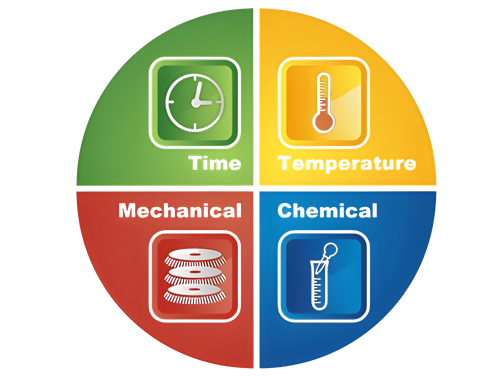
The Sinner's Circle: Four Factors, One Outcome
The BioJet Cabinet cleans anilox rolls offline using a controlled blasting process. Mechanical action and the treatment time remove contaminants from the cell structure in a fully automatic cycle, while ceramic and chrome-plated surfaces remain undamaged.
Time
On average, 35 minutes per roller, depending on the degree of soiling.
Mechanical operation
Controlled blast pressure of 2.3–2.8 bar removes contaminants deep within the cell structure.
Temperature
Dry compressed air at temperatures between 0 and 50°C keeps the process stable and prevents the abrasive from clumping.
Chemistry
Sodium bicarbonate (NaHCO₃) loosens ink residue and grime without damaging ceramic or chrome surfaces.
Suitable for
- Low to medium line densities: 8–240 L/cm
- Ceramic anilox
- Particularly suitable for corrugated cardboard
- Water-based, solvent-based, and UV inks
- Offline periodic cleaning
*For more information about adhesive applications, please contact Clean Solutions Group.
Proven results
Higher Efficiency
Less downtime thanks to thorough cleaning
Better print quality
Noticeable improvement in sharpness and color consistency
Longer Lifespan
Less wear and tear thanks to clean cells
Lower Ink Costs
Optimal cell transfer = lower ink consumption
Cleaning agent
Flexoclean cleaning agents are specifically formulated and validated for the chemical, pressure, and temperature parameters of the DeepWave. Low consumption per roller – cost-effective at scale.
Discover the difference
Achieve optimal print results! Our experts are here to provide professional advice on the best cleaning solution for your specific situation. Schedule an appointment today or request a free quote.